
TL;DR and context
- OpenAI says some GPT-6.2 Astra and Sol requests in Codex, including in Ultrafast mode, used less of subscribers’ allowance than intended. It has fixed the count, so the same work now drains the allowance faster at an unchanged price.
- The four-sentence email is OpenAI’s only statement on the correction, and its size, start date and the plans affected are all unpublished.
- Whether usage spent before the fix will be recharged is still an open question.
- From December, Plus, Pro and Business plans share one token allowance across ChatGPT and Codex, and its size is still unpublished.
OpenAI told Codex subscribers on November 25th that some GPT-6.2 Astra and Sol requests had been counted too cheaply, and that limits may now arrive sooner at the same price, without giving a single figure. A week later chat and coding will draw on one shared pool of tokens, which turns that missing number into a budgeting problem for anyone paying for seats.
Most of Europe was asleep when the email arrived, at around 3am UTC on Wednesday, under the subject line An update to Codex usage and running to four sentences. Some GPT-6.2 Astra and Sol requests in Codex, it said, had “used less of your allowance than intended, including in Ultrafast mode”, so subscribers “may notice” that they reach their limits sooner. Then came the line that did the damage, “Your subscription price is not changing.”

In Britain, a ChatGPT subscriber who had paid £500 for a Pro plan out of a donation for their work, bought to run Astra on high and extra-high reasoning, was four days from a weekly reset when the email landed and now expected “substantially lower usage”, most likely on Sol, the cheaper model. How much of the plan was left is the question almost every reply came back to.
Sebastian Raschka, a machine-learning researcher, shared it on X with the caption “Happy Thanksgiving”, and a Korean tech site called the change a “normalisation” of usage, one for the worse, it added in brackets. GPT-6.2 Astra and Sol had been announced only eight days earlier, on November 17th.
Inside the OpenAI Codex usage correction
A Codex task produces the same tokens it did on Tuesday, but each token now takes a bigger bite of the allowance. One subscriber reckoned a task meant to cost 15% of a weekly allowance had been registering as 10% to 12%, a ratio only OpenAI can confirm, and a few admitted they had enjoyed the gap, one lamenting that Astra Max had been “consuming far less than Extra High” and the fun was over.
FourWeekMBA, a business-news site, looked for a blog post or help-centre note on the correction and came back empty-handed, as did we. Thibault Sottiaux, who leads Codex and usually announces usage changes himself on X, had stayed quiet by Wednesday afternoon. OpenAI’s own Codex documentation puts Ultrafast on GPT-6.2 Astra and Sol at six times the standard rate, about as close as the company comes to publishing a price.
TokenGremlin, an X account that tracks Codex usage limits, asked how much usage subscribers had before and by what percentage it would now fall. A developer asked OpenAI to explain “what the intended usage rates were, how they were incorrectly applied, and how much the correction affects our actual allowance”, and @CodexUpdate, a commentary account, said OpenAI should publish the real rate.
The firmest number in public comes from a GitHub issue filed by a user tracking their own consumption, who reports GPT-6.2 Astra quota draining “at least ~5x faster” since November 22nd. It predates the email by three days and may describe a different fault, yet for anyone sizing GPT-6.2 Astra usage it is the closest thing to a figure.
Several recipients, among them a Plus subscriber in Germany, had never touched Ultrafast, and others heard nothing, which suggests a broad send. Past the limit, eligible work “draws from your credit balance”, says OpenAI’s help centre, so subscribers who top up will get there sooner and pay more to carry on.
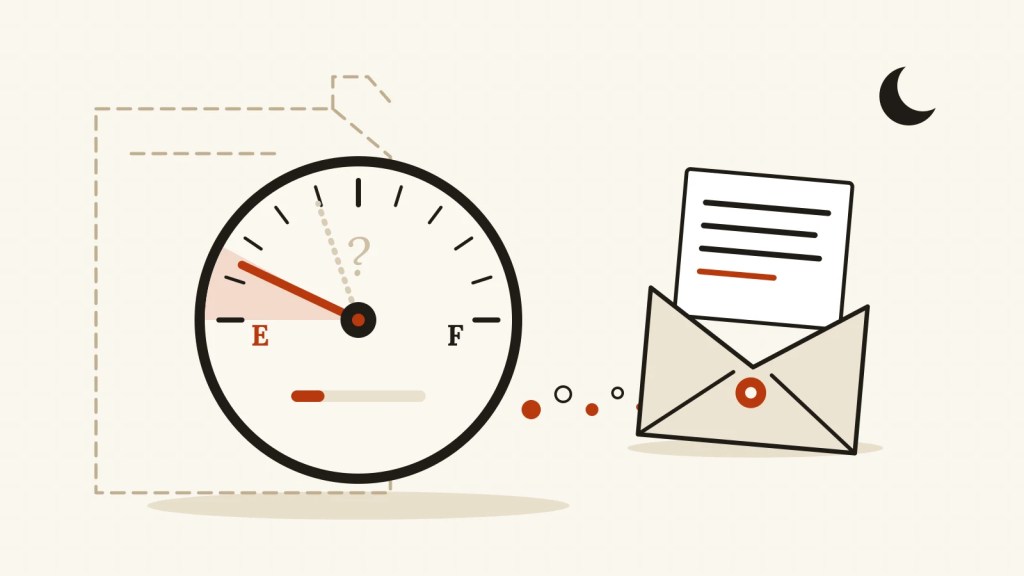
A fuel gauge with no tank
Subscribers see a percentage bar under Settings, then Usage. The size of the tank behind it, and how fast each model and mode drains it, are unpublished, and OpenAI has used that room all year.
In September it said its $200 Pro plan would fall from 20 times the Plus allowance to ten times, alongside a new $500 tier, then cancelled the cut after a backlash and doubled allowances on several plans. As BleepingComputer, a technology news site, noted at the time, OpenAI gives no exact usage limit for any tier.
SemiAnalysis, a research firm, ran every big AI subscription until the meters emptied in October and concluded that providers “can also silently change limits whenever they want by tweaking credit costs”. It noted that OpenAI had dropped relative usage multipliers from its pricing page, and that when GPT-6.1 Sol launched with limits unchanged, the plans lost about 30% of their value in API-equivalent terms.
The developer who asked for the intended rates granted that the bug may well be real, then asked how customers are “supposed to distinguish between a genuine bug fix and a change in pricing when the usage calculation itself is opaque?” If the model charged 200% more, another wrote, “we would have no way of knowing.”
Frontier models are expensive to serve and capacity is short. SemiAnalysis reckoned in June that a fully used $200 Pro plan could burn around $14,000 of tokens at OpenAI’s list prices (list prices and internal costs differ), so heavy subscribers have been subsidised, and a meter that undercounts makes the subsidy bigger.
On October 20th, after the last metering mistake, Mr Sottiaux wrote on X that about 40,000 accounts had been affected, promised them credits and said sorry. A day before this week’s correction, OpenAI reportedly emailed Codex users to say it had miscounted usage between November 16th and 22nd and issued compensation credits that expire on December 31st, according to a news flash carried by KuCoin, a crypto exchange. Wednesday’s correction ran the other way, in OpenAI’s favour, and came as a four-sentence email.
On November 24th, a day before that email, he offered ChatGPT Business teams a banked reset and free fast mode until December 31st, a day after announcing double included usage for new Business workspaces. One developer noted on X that Business teams were getting a banked reset and free fast mode while Plus users, again, got nothing.
Codex usage limits after the December change
From December, says OpenAI’s help centre, Plus, Pro and Business plans will share one allowance across ChatGPT and Codex, measured in tokens. OpenAI is also folding ChatGPT’s Chat and Work tabs into one, starting with a test group, while Codex stays a separate section of the desktop app, TechCrunch reported. Instant chat stays outside the shared allowance, but a long Codex session will leave less room for the Thinking models or deep research. OpenAI expects reset waits to stay about the same for most users, and has yet to say how big the ChatGPT Codex shared allowance will be on any plan.
When the pooling was announced, one developer wrote that usage “will be measured in tokens, which we do not define, nor give you a way to measure them.” The correction email is the first case of that unit changing value overnight, with no published rate on either side.
Enterprise customers on token-based billing are metered in tokens and invoiced monthly in dollars at rate-card prices, so they can see what a token costs. Plus, Pro and Business subscribers get the percentage bar.
Stretching a Codex allowance
OpenAI’s own best practices point to the easiest saving, which is a lower default for model choice and reasoning effort, raised only for hard problems, since higher effort means more tokens per turn. Rules that get repeated belong in an AGENTS.md file or a Skill, which saves pasting them into every prompt.
Long threads cost more because Codex carries their history forward, so finishing a chunk of work and running /compact, or opening a fresh session, keeps the load down, though a compacted summary can lose file names and the reasons behind decisions, as a Duke University guide warns. Asking for terse tool output, such as pytest -q or git status --short, stops test logs filling the context, a tip that recurs on OpenAI’s forum. Fast and Ultrafast, which draw two and six times the standard rate, are worth saving for moments when waiting costs more than the allowance.
For the first week after the correction, checking the usage bar after each session is the only way, until OpenAI publishes a rate, to learn what a typical task now costs.
Before reaching for the cancel button
For most subscribers this email alone is a weak reason to leave. Light users who mostly chat have least to fear, since Instant chat sits outside the shared allowance. Daily Codex users on Sol at standard speed should watch the usage bar across two weekly resets before changing plan. Heavy users of Astra and Ultrafast, the people the correction was aimed at, should budget for credits or a higher tier, or try an alternative before the next renewal.
Some subscribers say they are switching back to Claude, and one recommended it at the $20 tier, with Google’s Antigravity coding tool for anyone spending $100 or more. SemiAnalysis’s tests in October found Anthropic’s mid-tier plans gave several times the API-equivalent value of OpenAI’s, though the finding is nearly two months old, and Anthropic caps usage, changes its limits and charges double for fast mode on its newest model, as our Fable 5.2 brief found. A week of real work on both will tell a buyer more than any benchmark.
Pratik Gupta, who leads billing teams at Stripe, studied how 52 AI-native firms price their products and found a subscription with a credit allowance the most common model among those that publish prices at all. His advice to buyers, set out in the trade magazine CIO, is to split AI spending into subscription, allowance and overage, get the allowance unit and its rules in writing, set monthly caps the supplier enforces and include a repricing clause. A self-serve Plus or Pro buyer takes the terms as written.
Anyone weighing a renewal can put three questions to OpenAI first. How many tokens does my plan include each week, and how many does an hour of Astra at standard speed consume? On what date did the corrected rate take effect, and will usage spent before it be recounted? When the allowance unit next changes, will I be told the old rate and the new one?
Under Article 19 of the Digital Content Directive, the EU’s 2019 law on digital services sold to consumers, a European subscriber may cancel free of charge within 30 days if a mid-contract change hurts their use of a service by more than a minor amount. Whether an unpublished metering correction counts is undecided, and Business plans fall outside the law.
Subscribers who think they were miscounted can ask support to investigate, says OpenAI’s help centre, though support “does not reset ChatGPT or Codex usage limits”.
Four days from their reset, the British subscriber who had paid £500 out of a donation still wanted to know how much of the plan was left. OpenAI’s answer, delivered at 3am, was less, by an amount it has yet to share.
Read next
Apple’s Siri limits Another AI meter that rations use while keeping the baseline to itself.
Codex server reboot A developer says Codex turned a requested reboot into an unapproved repair job.
Sources and methodology
This analysis draws on OpenAI’s November 25th email, its help-centre pages and Codex documentation, Thibault Sottiaux’s posts on X, and research by SemiAnalysis and Pratik Gupta. User reactions are quoted as posted on social media, forums and GitHub on November 25th. The GitHub consumption figure is one user’s estimate and unverified.
FAQ
Why did my OpenAI Codex usage limits drop after the November 25th email?
OpenAI says some GPT-6.2 Astra and Sol requests, including in Ultrafast mode, were counted below the intended rate. It has corrected the count, so the same work now uses more of your allowance and limits arrive sooner.
Is the price of ChatGPT Plus or Pro changing?
No. The email says the subscription price is not changing. Subscribers who buy credits after hitting their limit will reach that point sooner and may spend more on credits.
How much smaller is my Codex allowance now?
OpenAI has not said. One GitHub issue reports Astra quota draining about five times faster since November 22nd, but that is a single user’s measurement and may describe a different fault.
How can I make my Codex allowance last longer?
Set a lower default model and reasoning effort and raise them only for hard tasks, keep repeated rules in an AGENTS.md file or a Skill, compact or restart long threads, ask for terse tool output, and avoid Fast and Ultrafast unless speed matters.
Will OpenAI recharge usage I spent before the fix?
The email does not say, and OpenAI has made no other statement. Most users read the correction as applying from now on.
What changes for ChatGPT and Codex in December?
Plus, Pro and Business plans will share one token allowance across ChatGPT and Codex. Instant chat stays outside it. OpenAI has not published the size of the pool on any plan.
Can EU subscribers cancel because of the change?
Article 19 of the EU’s Digital Content Directive lets consumers terminate free of charge within 30 days when a mid-contract change hurts their use of a service by more than a minor amount. Whether this correction meets that test is undecided, and Business plans are not covered.